Shockwave Therapy for Rehabilitation After Sports Injuries
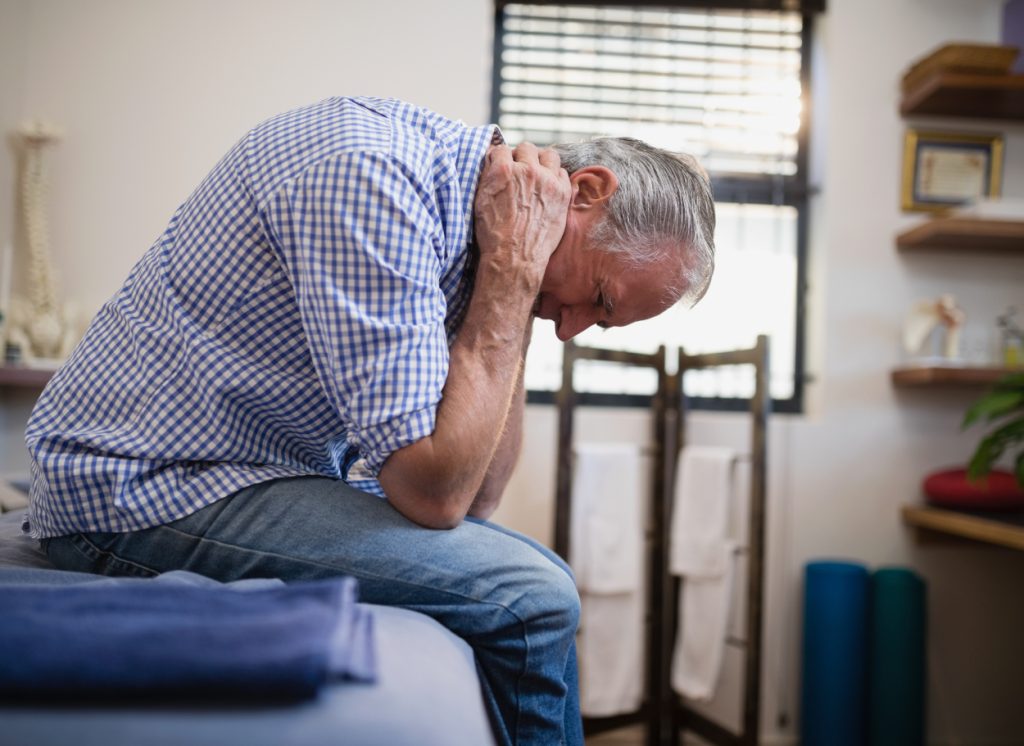
Every season brings the same hard lesson for athletes and active adults: fitness does not make anyone immune to overuse, bad landings, awkward cuts, or training errors. A runner builds mileage too quickly and the Achilles starts to bark. A tennis player ignores a sore elbow until serving becomes a negotiation with pain. A footballer returns from a calf strain, feels almost normal, then tears again during acceleration. Rehabilitation lives in that difficult space between wanting progress now and respecting how slowly tissue can change.
That is where Shockwave Therapy often enters the conversation.
Over the past decade, it has moved from being a niche treatment in specialist clinics to a more familiar option in sports medicine, physiotherapy, and orthopedics. It is not magic, and it is not a replacement for a well-designed rehab plan. But in the right situation, used at the right time, it can help reduce pain, improve tolerance to loading, and support recovery in stubborn tendon and soft tissue problems that have not responded well to rest alone.
The key is understanding what it is, what it is not, and how it fits into real rehabilitation rather than marketing promises.
What Shockwave Therapy actually is
Shockwave Therapy uses acoustic waves, a form of mechanical energy, delivered through the skin to a targeted area. In sports rehabilitation, the treatment is most often used for tendinopathies and chronic soft tissue conditions rather than fresh muscle tears or major ligament ruptures. There are two broad forms you will hear about in clinic settings: focused shockwave and radial pressure wave therapy. Clinicians and manufacturers sometimes blur the distinction in casual conversation, but they are not identical. Focused systems deliver energy deeper and in a more targeted pattern, while radial devices disperse pressure more broadly and are commonly used in many physiotherapy clinics.
For the patient, the practical experience is simpler than the terminology suggests. A clinician identifies the painful region, often using palpation and the history of symptoms, sometimes alongside imaging if the diagnosis is unclear. Gel is applied to the skin, the treatment head is placed over the area, and a series of impulses are delivered over a few minutes. The sensation ranges from mildly uncomfortable to sharply intense, depending on the tissue involved, the energy level, and individual pain sensitivity.
Most sports injury patients do not choose Shockwave Therapy because it sounds elegant. They choose it because the usual cycle has stopped working. They have rested, stretched, massaged, taped, and modified training, yet the pain returns as soon as they resume normal load. In that context, a treatment that may improve pain and help restart productive rehabilitation is understandably appealing.
Why some injuries become stubborn
The classic mistake in sports injury care is assuming that time alone repairs everything. Acute injuries often do settle with protection and gradual return, but chronic tendon pain follows a different script. Tendons do not behave like simple inflamed structures that calm down if left alone long enough. Many chronic cases show degenerative change, altered collagen organization, reduced load tolerance, and local sensitivity that does not line up neatly with the old inflammation model.
That matters because it explains why a player can rest for six weeks, feel better during inactivity, then flare up within days of returning to sprinting, jumping, or repetitive striking. The tissue has become deconditioned, not necessarily restored. Pain also has a protective role, and once it becomes persistent, the nervous system itself can become more reactive around the region.
This is one reason clinicians rarely recommend passive treatment alone. A tendon usually needs progressive loading to remodel and regain capacity. Yet if pain is high enough, loading becomes difficult to dose. Shockwave Therapy may help in that middle ground by reducing symptoms enough for the person to tolerate the exercises that truly drive long-term recovery.
Where Shockwave Therapy tends to help most
In day-to-day sports medicine, Shockwave Therapy is most commonly considered for chronic tendon-related pain and certain soft tissue conditions that have plateaued. It often comes up with plantar fasciopathy, Achilles tendinopathy, patellar tendinopathy, proximal hamstring tendinopathy, gluteal tendinopathy, and lateral elbow tendinopathy. It is also used in some cases of calcific shoulder tendinopathy and myofascial trigger point pain, though the quality of evidence and expected response can vary by diagnosis.
Clinical experience lines up with a pattern many practitioners recognize. The best responses tend to come from issues that have lingered for months, where the diagnosis is reasonably clear, the tissue can still be loaded, and the patient is willing to combine treatment with a structured exercise plan. The weaker outcomes often come when Shockwave Therapy is used as a stand-alone fix for a problem that has not been properly diagnosed.
A recreational basketball player with patellar tendinopathy is a useful example. He can squat, but deep loading is painful, jumping is worse, and games leave him limping the next morning. He has already tried resting before tournaments, but the pain always returns. In a case like this, Shockwave Therapy may settle symptoms enough to let him work through a heavy slow resistance program and controlled jumping progression. If he expects the treatment alone to restore him, he is likely to be disappointed. If he sees it as one tool inside a broader plan, the odds improve.
What the treatment may be doing inside the tissue
The exact mechanisms are still being studied, and any honest clinician should say that clearly. That said, there are several plausible effects that help explain why Shockwave Therapy can be useful in selected cases.
It appears to influence pain signaling, at least in part, which may help reduce symptom intensity in some patients. There is also evidence suggesting it may stimulate local biological activity related to healing and tissue turnover. In calcific shoulder tendinopathy, it may help disrupt or alter calcific deposits over time. In chronic tendinopathy, the effect is less about instantly repairing a damaged tendon and more about nudging the local environment in a direction that supports rehabilitation.
Patients often want a simple promise: is the tendon healed after the session or not? Real recovery is not that binary. More commonly, what happens is a gradual change in irritability. Activities that used to produce a strong flare become more tolerable. Morning pain shortens. A hopping drill becomes possible. The athlete can finally load the area with enough consistency to rebuild capacity.
That is not glamorous, but it is often what progress looks like.
Timing matters more than most people realize
One of the common reasons Shockwave Therapy underperforms is poor timing. In a freshly strained hamstring with bruising and clear acute tissue damage, it is usually not the first-line move. In an irritable insertional Achilles that has flared badly after a race weekend, you may need to settle load first and reassess before adding another stimulus. In contrast, in a tendon that has remained painful for four or five months despite reasonable exercise compliance, the timing may be much better.
A clinician’s judgment matters here. Good rehabilitation is built on phase-appropriate decisions. The first question is not, “Can we use shockwave?” It is, “What is the dominant problem today?” If the issue is acute inflammation after a direct blow, the answer may be no. If the issue is chronic tendon pain with stalled progress, the answer may be yes.
I have seen athletes request it too early because they want an aggressive intervention, and others wait too long because they assume more rest will solve what has already become a chronic load tolerance problem. Neither extreme helps.
What a typical course looks like
Most treatment plans involve a series rather than a single session. In many clinics, the common range is three to five sessions spaced about a week apart, though protocols differ by diagnosis, device, and clinician preference. Energy settings, pulse counts, and treatment areas are adjusted according to the condition and the person’s tolerance.
Improvement is not always immediate. Some people notice a change after the first or second session, usually a shift in day-to-day pain rather than a dramatic transformation. Others feel more sore for a day or two, then gradually improve over the following weeks. It is also common not to see the clearest benefit until the entire course has been combined with several weeks of good loading work.
Athletes should be prepared for some discomfort during treatment. That is one reason communication matters. The goal is not to “blast” the tissue into submission. Overly aggressive dosing can create an unnecessary pain response and reduce confidence in the process. Effective care usually sits in that sensible middle ground where the treatment is targeted and tolerable, not theatrical.
Why exercise remains the center of rehab
This point cannot be overstated: Shockwave Therapy does not replace rehab exercise. It supports it.
A tendon, fascia, or muscle-tendon unit needs graded mechanical loading to regain resilience. That might mean isometrics early for pain modulation, then heavy slow resistance, eccentric work, energy storage drills, and eventually sport-specific progressions. A runner with Achilles pain must return not just to calf raises, but to controlled impact, speed changes, and eventually race-pace loading. A volleyball player with patellar tendon pain must earn the right to jump repeatedly, not just perform pain-free leg presses in a clinic.
The patients who do best usually understand this quickly. They treat the sessions as part of a plan rather than a substitute for effort. The ones who struggle are often looking for a passive treatment to erase the consequences of unchanged training habits. If the volume, intensity, recovery, footwear, sleep, or strength deficits remain unaddressed, the same tissue is likely to become symptomatic again.
A sound program also gives the clinician a way to judge whether the treatment is helping. If the athlete can tolerate a larger loading dose, recover more quickly, and progress through benchmarks with less flare-up, that is meaningful. If nothing changes in function, the pain score alone tells only part of the story.
Conditions where the fit is stronger, and where caution is wiser
Not every sports injury belongs in the same bucket. Shockwave Therapy tends to make the most sense in a narrower band of cases than some advertising suggests.
- Chronic tendinopathies, especially Achilles, patellar, plantar fascia, and lateral elbow, are among the more common uses.
- Calcific shoulder tendinopathy can respond, particularly when symptoms have persisted and function is limited.
- Myofascial pain and trigger points may improve in some patients, though expectations should stay measured.
- Fresh fractures, active infections, tumors in the treatment area, and certain other medical situations call for caution or avoidance.
- People using anticoagulants, those with altered sensation, or anyone with diagnostic uncertainty need careful screening before treatment.
That short list does not replace professional evaluation, but it captures an important truth: good candidates are selected, not assumed.
Side effects, risks, and the discomfort question
Compared with invasive procedures, Shockwave Therapy is relatively low risk, but “noninvasive” should not be mistaken for “nothing to think about.” The common after-effects are temporary soreness, local redness, mild swelling, and bruising. Many athletes describe the treated area as feeling tender for 24 to 48 hours. That is usually manageable, but if someone has an important match the next day, treatment timing deserves thought.
Pain during the session is variable. Plantar fascia and insertional tendon regions can be especially sensitive. Sometimes the person who looks toughest on paper hates the treatment, while the recreational athlete shrugs through it. Tolerance has little to do with character and a lot to do with local sensitivity and treatment parameters.
There are also strategic risks, even when medical risks are low. If treatment reduces pain but the athlete interprets that as full recovery, they may jump back into high loads too quickly. The tissue’s symptom picture may improve before its capacity truly catches up. That mismatch is one of the most common ways people sabotage otherwise promising rehab.
The role of imaging, and why pictures do not decide everything
Athletes often arrive after an ultrasound or MRI has shown tendinosis, thickening, or calcification, and they naturally want to know if Shockwave Therapy will “fix the scan.” That is not the best way to think about it. Imaging can support the diagnosis and sometimes guide decision-making, but the scan is only one piece of the puzzle.
Some athletes have ugly-looking tendons on imaging and function quite well. Others have modest imaging findings and substantial pain. Rehabilitation is guided more by symptoms, irritability, function, and load tolerance than by image perfection. In practice, the useful question is whether the treatment helps the person walk, run, jump, grip, or train better over time.
This matters because an athlete can become trapped in a cycle of chasing structural normality rather than functional recovery. Sports rehab is usually won by restoring capacity, not by obtaining a prettier scan.
How clinicians decide whether it is working
A good treatment plan needs checkpoints. Otherwise, people keep attending sessions out of hope rather than evidence.
The best indicators are functional. Can the runner tolerate longer easy runs without next-morning Achilles pain? Can the tennis player serve a bucket of balls without elbow pain lingering for two days? Can the basketball player complete a strength session and a jump progression with controlled symptoms? Those changes matter more than whether pain briefly dipped on the treatment table.
There is also a timeline judgment involved. Some response should usually become evident over the course of treatment and the following weeks, though not always after the first visit. If there is no shift in pain, function, or loading tolerance after a sensible course, the clinician should revisit the diagnosis, the exercise prescription, and the broader management plan rather than simply repeating the same intervention.
In experienced hands, https://juliusmlcd724.wordcanopy.com/posts/can-shockwave-therapy-help-with-calcific-tendinitis that reassessment is a strength, not a failure. Sports injuries are not standardized products. A “nonresponder” may actually have the wrong diagnosis, too much weekly load, poor sleep, a concurrent nerve issue, or an exercise progression that is either too timid or too aggressive.
What athletes should ask before starting
Patients often feel pressured to decide quickly, especially when they are losing training time. A short, practical conversation can prevent a lot of frustration later.
- What is the exact diagnosis, and why do you think Shockwave Therapy fits this case?
- What else will I need to do alongside treatment, especially in terms of loading and exercise?
- How many sessions are typical for this condition, and when would we judge whether it is helping?
- What should I expect to feel during and after treatment?
- Are there any reasons in my medical history or sport schedule that make this a poor time to start?
Those questions shift the discussion from sales language to clinical reasoning, which is where it belongs.
Return to sport is rarely linear
One of the hardest messages for athletes to accept is that progress can be real even when symptoms wobble. A tendon can be improving overall while still objecting to a spike in sprint volume or an extra tournament weekend. That does not always mean the treatment failed. It may simply mean the tissue is not ready for that load yet.
This is where expectation setting matters. Shockwave Therapy can reduce the friction in the rehab process, but it does not suspend the rules of adaptation. Tissues still need time. Capacity still builds gradually. The return-to-sport plan still has to respect volume, intensity, frequency, and recovery.
I have seen the best outcomes when athletes stop treating every pain fluctuation as a crisis. They track broader trends instead. Is the morning stiffness shorter than it was three weeks ago? Is the warm-up phase less painful? Is the recovery after training more predictable? Are they able to complete more of the program without a major flare? Those are the signals of forward motion.
Cost, convenience, and the reality of value
A practical issue rarely discussed honestly enough is cost. Shockwave Therapy can be expensive, especially when it is delivered over multiple sessions and not fully covered by insurance. That makes value a legitimate concern. If a patient is paying out of pocket, the treatment should be chosen because it has a reasonable clinical rationale, not because it is available in the clinic.
Sometimes the value is excellent. A well-selected patient with six months of persistent plantar fascia pain may get back to consistent training faster and with less frustration than they would through trial-and-error self-management. Sometimes the value is poor. If a person has an acute injury that mainly needs a week of relative rest and then a basic loading plan, adding expensive technology may offer very little.
Good clinicians are usually comfortable saying both things out loud.
Where Shockwave Therapy fits in modern sports rehabilitation
The most balanced view is also the most useful. Shockwave Therapy is neither a gimmick nor a cure-all. It is a legitimate adjunct for selected sports injuries, particularly chronic tendinopathies and certain soft tissue problems that have become resistant to simpler measures. Its strength lies in helping some patients reduce pain and re-engage with the loading process that drives recovery.
That nuance matters because athletes are often offered false choices. Either they are told to rest until pain disappears, which can lead to deconditioning and repeated relapse, or they are sold a technology as if it can replace disciplined rehabilitation. The truth sits in the middle. Tissue recovery is mechanical, biological, and behavioral all at once. A good plan respects all three.
For the athlete deciding whether to try it, the smartest question is not, “Does Shockwave Therapy work?” The better question is, “Does it make sense for this diagnosis, at this stage, with this rehab plan?” When the answer is yes, it can be a very useful part of getting back to full training. When the answer is no, skipping it is just as professional a decision.
Sports injuries test patience more than toughness. The athletes who recover best are usually not the ones who chase the most treatments. They are the ones who combine the right intervention with the right timing, the right loading, and enough restraint to let the process work. Shockwave Therapy can help, sometimes substantially, but it works best when it earns its place inside that larger discipline.
Injury Recovery Center
Address: 14241 E 4th Ave Building 5, Ste. 5-354, Aurora, CO 80011
Phone number: +17203289033
FAQ About Shockwave Therapy
What does shockwave therapy actually do?
Shockwave therapy delivers high-energy acoustic sound waves through the skin to an injured area. This process "wakes up" stubborn, chronic soft-tissue injuries by increasing local blood flow, breaking down calcifications, and triggering the body's natural cellular repair and tissue regeneration mechanisms.
What are the drawbacks of shockwave therapy?
Shockwave therapy can cause temporary pain, skin redness, bruising, swelling, or numbness at the treatment site. It may require multiple sessions, can be costly out-of-pocket because insurance often does not cover it, and is unsafe for pregnant individuals or those with blood-clotting disorders.
Does shock wave therapy really work?
Yes, shock wave therapy (extracorporeal shockwave therapy, or ESWT) works well for specific chronic soft-tissue and bone conditions, showing success rates around 60% to 80% for stubborn issues like plantar fasciitis and tennis elbow when other conservative treatments fail.