How Shockwave Therapy Can Support Active Lifestyles


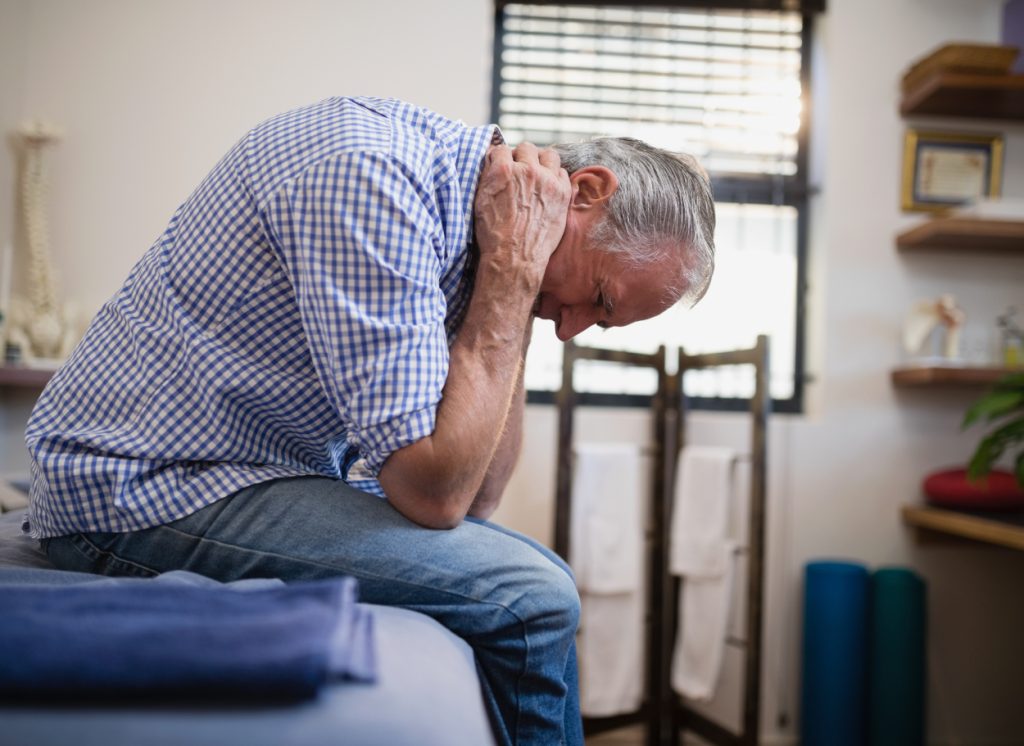
An active lifestyle asks a lot from the body. That is true whether someone is training for a marathon, playing tennis twice a week, lifting before work, or trying to stay consistent with long walks and weekend hikes. Muscles adapt, tendons absorb force, fascia glides, joints tolerate repetition, and the nervous system coordinates all of it under load. Most of the time that system works beautifully. When it does not, the breakdown is rarely dramatic at first. It usually starts as a sore heel in the morning, a stubborn ache at the outside of the elbow, tightness in the calf that never fully settles, or a hamstring that keeps threatening to pull every time pace picks up.
This is where Shockwave Therapy often enters the conversation. Not as a magic fix, and not as a shortcut around training errors, but as a useful clinical tool for certain stubborn musculoskeletal problems that tend to interfere with movement, performance, and consistency. People who like to stay active usually care less about abstract pain scores and more about practical questions. Can I run without limping the next day? Can I serve, climb, squat, cycle, or get through a work shift without aggravating the same tissue again? Can this issue stop dominating my planning?
Those are the right questions, because the value of any treatment rests on function. Shockwave Therapy can help support active lifestyles when it is used thoughtfully, matched to the right diagnosis, and paired with a rehab plan that respects tissue loading rather than ignoring it.
Why persistent aches sideline active people for so long
Acute injuries are straightforward compared with nagging overuse problems. A rolled ankle or a clear muscle strain usually has a timeline people understand. Tendon pain, plantar heel pain, insertional pain around the knee or Achilles, and similar conditions are different. They often build gradually, then linger well past the point when someone expects to be better.
Part of the frustration comes from the mismatch between fitness and tissue tolerance. A person can have excellent cardiovascular conditioning and strong motivation, yet still be limited by a very local issue in one tendon or one pain-sensitive insertion point. Runners see this with Achilles and plantar fascia complaints. Lifters run into it with patellar tendon pain. Racquet sport athletes often deal with lateral elbow pain. These conditions can be maddening because the rest of the body feels ready to go, while one area repeatedly protests.
Another reason these cases drag on is that rest alone often does not solve them. A short reduction in activity may calm symptoms, but once normal loading resumes, the same tissue can flare again. That pattern leads many active adults into a loop of doing too much on good days and too little on bad days. Neither extreme builds resilience. Treatment has to reduce irritability while also helping the tissue tolerate meaningful load.
What Shockwave Therapy actually is
Shockwave Therapy uses acoustic waves delivered through the skin to target a painful musculoskeletal area. In practice, the session is brief and focused. A clinician identifies the involved tissue, applies gel to improve contact, and then delivers a planned number of impulses with a hand-held device. Depending on the machine and the condition being treated, the sensation can range from mildly uncomfortable to quite intense, though it is usually very tolerable when the settings are adjusted appropriately.
https://emilianocfsa152.evergrovio.com/posts/what-are-the-side-effects-of-shockwave-therapyTwo broad forms are commonly discussed, focused shockwave and radial shockwave. Clinics vary in what equipment they use, and both can play a role depending on the tissue and treatment goals. Patients do not need to become device experts to benefit, but they should know that technique matters. Placement, dosing, the condition being targeted, and how the therapy fits into the larger rehab program all affect outcomes.
What it is not is equally important. Shockwave Therapy is not simply a fancy massage gun. It is not passive recovery in the spa sense. It is also not a treatment that replaces exercise-based rehabilitation. The best results usually come when it is used to support a larger plan that includes load management, strength work, and a measured return to activity.
How it may help active bodies
The exact biological effects are still being studied, and clinicians should be careful not to overstate certainty. Even so, there is enough practical and research-based support for several common uses. In the clinic, the appeal is less about a grand theory and more about what happens when the right patient receives the right intervention at the right point in the problem.
One likely benefit is its effect on pain modulation. When pain has become persistent, reducing its intensity can create a window in which better movement and progressive loading become possible again. That matters enormously for active people. If a runner with plantar heel pain can suddenly tolerate calf strengthening and a modified running plan, that change may be more meaningful than the treatment session itself.
There is also interest in how shockwave influences local tissue response and healing processes in chronically irritated structures, especially tendons and fascia. Chronic tendon pain is not simply inflammation in the classic sense. Many long-standing tendon issues behave more like a failed adaptation to load. The tissue becomes painful, sensitive, and less reliable under stress. Interventions that can help reset that environment, while the patient follows a smart strengthening program, can be useful.
A practical example is insertional Achilles pain in a recreational runner. These cases are often touchy. Too much hill work, too much speed, aggressive stretching, or poorly timed return to hard sessions can keep symptoms alive for months. Shockwave Therapy may reduce pain enough to let the person reintroduce appropriate calf loading and gradually rebuild tolerance. It does not do the training for them, but it can create momentum where a case has stalled.
Where Shockwave Therapy tends to fit best
Not every ache belongs in the same category. In practice, Shockwave Therapy tends to be most relevant for stubborn soft tissue complaints that have not responded fully to sensible early care. That often includes plantar fasciopathy, Achilles tendinopathy, patellar tendinopathy, gluteal tendon pain, and lateral elbow tendinopathy. Some clinicians also use it for calcific shoulder problems and selected myofascial trigger point presentations.
The common thread is not simply pain, but persistent pain tied to a specific structure that is limiting activity. If someone has generalized soreness from a hard training block, delayed-onset muscle soreness after returning to the gym, or pain that is clearly coming from a different source such as a stress injury or nerve irritation, shockwave may not be the right choice. Good assessment matters more than enthusiasm for any modality.
That distinction is where experienced clinical judgment earns its keep. I have seen people arrive convinced they need treatment for “tight calves” when the actual driver was plantar heel pain related to load spikes and shoe changes. I have also seen athletes seek treatment for tendon pain that was really coming from referred symptoms higher up the chain. If the diagnosis is off, even a useful tool gets blamed for poor results.
The real advantage for active people, keeping momentum
Most active adults do not need to feel perfect. They need to keep moving with enough confidence and enough symptom control to maintain their routines. That is an important difference. The strongest argument for Shockwave Therapy is often that it can help people regain training continuity.
Continuity matters more than heroic one-off sessions. Missing three weeks of running because of heel pain changes mechanics, mood, conditioning, and confidence. A tennis player who avoids serving for a month because of elbow pain rarely comes back sharper. A parent who likes early morning gym sessions can lose the habit itself if knee pain interrupts the routine long enough. Once consistency breaks, fitness loss is only part of the problem. Identity and motivation often take a hit too.
When Shockwave Therapy is successful, it often shifts the pattern from constant guarding to manageable progress. Symptoms become less dominant. Warm-up improves. The flare after activity settles faster. Strength work becomes possible. The person starts making decisions based on goals again, not just fear of the next pain spike. That is a meaningful clinical change, especially for people who use movement to support mental health as much as physical fitness.
What a treatment plan usually looks like
Most cases do not resolve after a single visit. A typical course often involves several sessions spread over a few weeks, though exact frequency and total number vary by condition, symptom duration, and clinic protocol. During that period, activity is usually modified rather than stopped outright. That point surprises some people. They assume a treatment should either fix the issue instantly or require complete rest. In reality, the middle ground is often where progress happens.
A runner with plantar heel pain, for example, may continue running with temporary changes. Volume may drop, speed work may pause, and harder surfaces may be limited. At the same time, calf strengthening, foot intrinsic work, and recovery habits are adjusted. The treatment is one piece of a broader strategy aimed at reducing irritability while preserving enough load to keep the tissue adapting.
The same logic applies in the gym. Someone with patellar tendon pain might need to alter squat depth, split loading patterns more intelligently through the week, and respect pain during jumping work. If Shockwave Therapy lowers the baseline irritation, those training changes become easier to execute. If the person keeps maxing out through sharp pain, the treatment has little chance to shine.
What patients often notice after sessions
Responses vary. Some people feel looser or less sore within a few days. Others feel temporary aggravation, then improvement later. Some notice that morning pain, first-step pain, or post-activity stiffness decreases before their sport-specific tolerance fully returns. That sequence is common. Pain reduction often arrives before full performance capacity.
It is also common for progress to be uneven. A person may have two better weeks, then a brief flare after an overly ambitious return to activity. That does not always mean the treatment failed. Tendon and fascia rehab is rarely linear. The key is whether the overall trend improves, symptoms recover more quickly, and tolerance to loading rises across time.
One helpful way to judge progress is by tracking concrete markers instead of relying on memory. Morning pain on a zero to ten scale, the number of single-leg calf raises tolerated, the distance covered before symptoms rise, or how sore the area feels the following morning can all provide a clearer picture than general impressions.
When it is a good candidate, and when it is not
The best candidates are usually people with a clear diagnosis, symptoms that have persisted long enough to suggest the issue is not resolving with basic self-management, and a willingness to follow a structured rehab plan. The treatment tends to work best when the painful structure is identifiable and the training load can be adjusted without abandoning activity entirely.
There are also situations where caution is warranted. A clinician needs to screen for factors such as acute fractures, certain circulation issues, local infections, or other medical considerations that may make treatment inappropriate. Persistent pain without a clear mechanical pattern also deserves more investigation before jumping into any modality.
A few signs suggest the bigger issue may not be the tissue itself, but the training context around it:
- sudden spikes in mileage, intensity, or volume
- poor recovery habits over several weeks
- major changes in footwear, surfaces, or technique
- trying to train through sharp pain because an event date is fixed
- expecting passive treatment to replace strength and load management
When those factors drive the problem, Shockwave Therapy can still help, but only if the surrounding habits change. Otherwise the body keeps receiving the same aggravating input.
The role of rehab alongside Shockwave Therapy
This is where active people sometimes make their biggest mistake. They seek treatment because they want to avoid scaling back. The truth is that smart scaling back is often what allows them to return faster. Shockwave Therapy works best as an enabler of better rehab, not as a substitute for it.
For tendon-related issues, progressive loading is often central. That may mean isometrics early on, then heavy slow resistance, then sport-specific loading once symptoms and tissue tolerance improve. For plantar heel pain, calf capacity, foot control, and daily load management all matter. For elbow tendinopathy, wrist extensor strengthening and grip tolerance need attention. The specifics differ, but the principle stays the same. Tissues that hurt under load usually need a more intelligent relationship with load, not permanent avoidance of it.
The practical art is dosing. Too little challenge and the tissue never adapts. Too much and symptoms flare hard enough to interrupt progress. Many patients benefit from clear rules, such as allowing mild discomfort during exercise if it settles promptly and does not produce a significant next-day spike. That kind of guidance is often more valuable than the treatment device itself because it helps people stop guessing.
What active adults should ask before starting
A short, honest conversation up front can save a lot of frustration later. The right questions are not flashy. They are practical.
- what exact structure are we treating, and how confident are you in that diagnosis
- how many sessions are typically recommended for a case like mine
- what changes should I make to training during treatment
- what exercises or loading plan need to happen alongside it
- how will we measure whether it is working
Those questions shift the discussion from hope to strategy. They also reveal whether the clinician sees the treatment as part of a full musculoskeletal plan or as a stand-alone service.
The trade-offs that deserve honesty
Shockwave Therapy has real upside, but it is not for everyone. Cost can be a barrier, especially when several sessions are needed and coverage is limited. The treatment can be uncomfortable, particularly in very sensitive areas. Some people improve substantially, others only modestly, and a smaller group notices little benefit. That variability is normal in musculoskeletal care, but it should be acknowledged rather than glossed over.
Timing matters too. If someone starts treatment three weeks before a major race while refusing to modify training, expectations need to be realistic. If another person begins after months of symptoms, agrees to adjust load, and commits to strengthening, the odds of a useful outcome improve. Same treatment, very different context.
There is also the simple fact that active lifestyles contain recurring stressors. The goal is rarely to create a body that never gets sore or irritated again. The better goal is to build a body, and a training approach, that recovers faster and tolerates more. Shockwave can support that process, but it cannot replace sleep, programming, nutrition, recovery, and patience.
A grounded way to think about results
People often ask if Shockwave Therapy works. The more useful question is, for whom, for what condition, and as part of what plan. When those pieces line up, it can be a valuable intervention for helping active people move past stubborn pain and regain consistency. Its strength is not mystery. Its strength is that it can lower the barrier that pain creates, allowing the actual work of recovery to happen.
For the recreational athlete, that may mean returning to a half marathon build without dreading every first step in the morning. For the tennis player, it may mean serving again without the elbow barking for two days afterward. For the regular gym-goer, it may mean rebuilding squat or jumping tolerance instead of endlessly circling around discomfort. These are not dramatic movie moments. They are better than that. They are the quiet return of normal, useful movement.
That is ultimately why Shockwave Therapy has found a place in modern musculoskeletal care. Active people do not just want less pain. They want durable function. They want to trust a leg on a hill, an elbow on a backhand, a knee on stairs, a heel on the first few steps out of bed. When treatment helps restore that trust, and when it is paired with the right rehab and load management, it becomes more than symptom relief. It becomes a practical support for the life they actually want to live.
Injury Recovery Center
Address: 730 W Hampden Ave Ste. 250, Englewood, CO 80110
Phone number: +17203289033
FAQ About Shockwave Therapy
What does shockwave therapy actually do?
Shockwave therapy delivers high-energy acoustic sound waves through the skin to an injured area. This process "wakes up" stubborn, chronic soft-tissue injuries by increasing local blood flow, breaking down calcifications, and triggering the body's natural cellular repair and tissue regeneration mechanisms.
What are the drawbacks of shockwave therapy?
Shockwave therapy can cause temporary pain, skin redness, bruising, swelling, or numbness at the treatment site. It may require multiple sessions, can be costly out-of-pocket because insurance often does not cover it, and is unsafe for pregnant individuals or those with blood-clotting disorders.
Does shock wave therapy really work?
Yes, shock wave therapy (extracorporeal shockwave therapy, or ESWT) works well for specific chronic soft-tissue and bone conditions, showing success rates around 60% to 80% for stubborn issues like plantar fasciitis and tennis elbow when other conservative treatments fail.